
Recent scientific discoveries have shed light on the significant role that a mother’s microbiome plays in shaping her baby’s health, both in utero and after birth. The human microbiome, an intricate community of bacteria, viruses, and fungi residing in and on the body, influences various physiological functions. As research into this fascinating subject evolves, it becomes increasingly clear that the maternal microbiome is a critical factor in prenatal and postnatal development.
Understanding the Maternal Microbiome
The maternal microbiome refers to the collection of microorganisms found in various parts of a mother’s body, including the gut, skin, vagina, and oral cavity. This microbiome is dynamic and can be influenced by factors such as diet, environment, and genetics. During pregnancy, the composition of this microbiome can undergo significant changes, impacting both maternal health and the developing fetus.
The Gut Microbiome
The gut microbiome is one of the most studied areas in microbiome research. It plays a crucial role in digestion, immune function, and even mental health. For expecting mothers, a healthy gut microbiome can contribute to a smoother pregnancy and delivery process. The transfer of beneficial bacteria from mother to child begins during childbirth, particularly during vaginal delivery, where the baby encounters the mother’s vaginal and gut microbiota.
- A healthy gut microbiome supports nutrient absorption, which is vital for fetal growth.
- It aids in the maturation of the baby’s immune system, potentially reducing the risk of allergies and autoimmune conditions.
- Emerging studies suggest a link between the maternal gut microbiome and the baby’s brain development.
The Vaginal Microbiome
The vaginal microbiome also plays a pivotal role during childbirth. A balanced vaginal microbiome, predominated by Lactobacillus species, is associated with favorable pregnancy outcomes. An imbalance, however, might lead to complications such as preterm birth.
Ensuring the health of the vaginal microbiome can be achieved through:
- Maintaining proper hygiene and avoiding unnecessary antibiotics.
- Incorporating a diet rich in probiotics and prebiotics.
- Regular prenatal check-ups and screenings for infections.
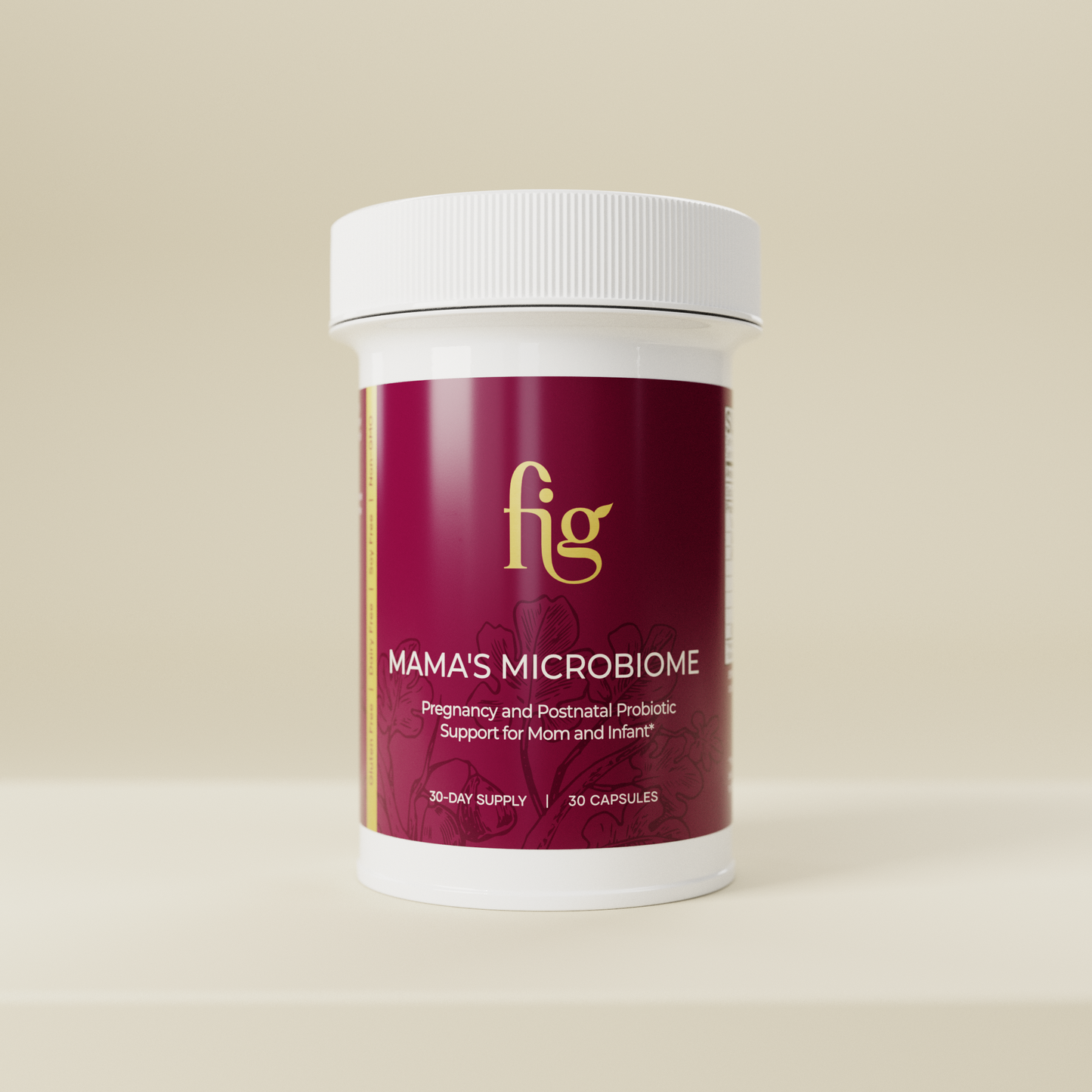
For more information on maintaining a healthy microbiome during pregnancy, consider exploring options like Mama”?s Microbiome, which offers insights and products designed to support maternal and infant health.
Implications for Baby’s Long-term Health
The impact of the maternal microbiome extends beyond birth, influencing the child’s health well into the future. A well-balanced microbiome can set the foundation for a healthy immune system and metabolic function.
Immune System Development
A baby”?s initial exposure to their mother’s microbiome helps to ‘train’ their immune system, teaching it to distinguish between harmful and harmless entities. This early training is crucial in reducing the likelihood of developing allergies, asthma, and other immune-related conditions.
Metabolic Health
Research suggests a link between the maternal microbiome and the child’s risk of metabolic disorders. A balanced maternal microbiome may lower the chances of the child developing obesity, type 2 diabetes, and other metabolic conditions later in life.
- Breastfeeding further supports the transfer of beneficial bacteria, enhancing the baby’s gut health.
- Early dietary habits influenced by the microbiome may set the stage for healthier eating patterns.
Conclusion
The interplay between a mother’s microbiome and her baby’s health is a testament to the intricate biological connections that support human development. As research continues to evolve, understanding and nurturing the maternal microbiome could become a cornerstone of prenatal and postnatal care. By prioritizing a healthy microbiome, mothers can help lay the foundation for their children’s lifelong health and well-being.
