
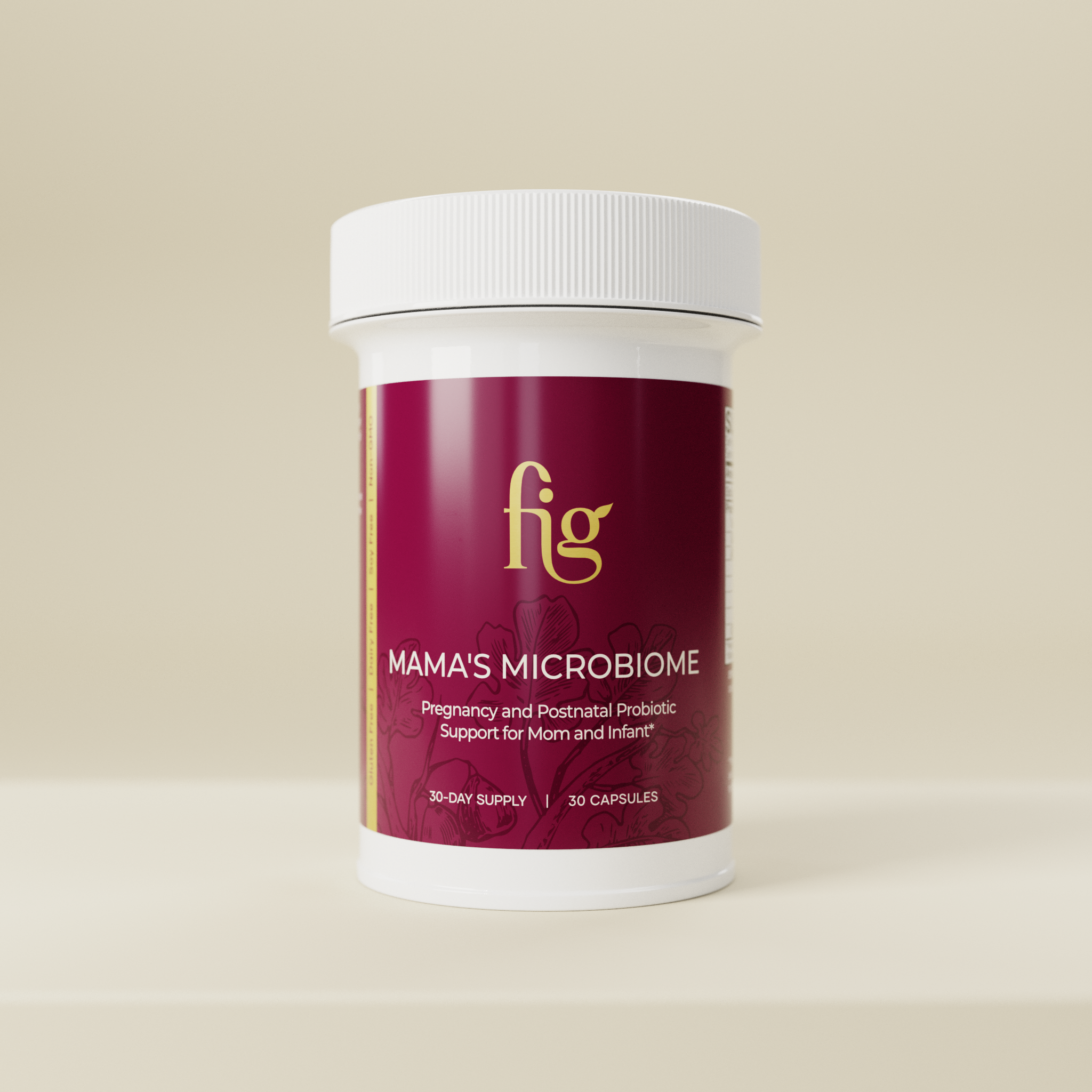
The human microbiome is a complex community of microorganisms that live in and on our bodies, playing a crucial role in maintaining our health. These microorganisms, which include bacteria, fungi, and viruses, particularly influence our digestive system, immune function, and even mental health. Recent research has shed light on the significant impact that diet has on our microbiome health. As dietary habits can either nurture or disrupt this delicate ecosystem, understanding the connection between what we eat and the diversity and balance of our microbiota is essential for fostering overall well-being.
The Role of Diet in Shaping the Microbiome
The foods we consume directly affect the composition and function of our microbiome. A diverse and balanced diet can promote a healthy microbial community, while poor dietary choices may lead to dysbiosis, an imbalance that can contribute to various health issues.
Foods that Support a Healthy Microbiome
- Fiber-Rich Foods: High-fiber foods such as whole grains, fruits, vegetables, and legumes are crucial for nourishing beneficial bacteria in the gut. They produce short-chain fatty acids that support gut health.
- Fermented Foods: Incorporating fermented foods like yogurt, kefir, sauerkraut, and kimchi into your diet can introduce probiotics, beneficial bacteria that enhance the diversity of the microbiome.
- Polyphenol-Rich Foods: Foods rich in polyphenols, such as berries, nuts, seeds, and olive oil, act as antioxidants and promote the growth of beneficial bacteria.
- Omega-3 Fatty Acids: Sources such as fatty fish, flaxseeds, and walnuts have anti-inflammatory properties and can positively influence gut bacteria.
Foods that May Harm the Microbiome
- Processed Foods: Diets high in processed and refined foods often contain additives and preservatives that can negatively impact gut bacteria.
- High Sugar and Artificial Sweeteners: Excessive sugar intake and artificial sweeteners can lead to an overgrowth of harmful bacteria and contribute to inflammation.
- Red and Processed Meats: High consumption has been linked to an imbalance in gut bacteria, potentially increasing the risk of certain diseases.
How Dietary Choices Affect Microbiome Diversity
A diverse microbiome is often associated with better health outcomes. Consuming a variety of foods can enhance microbial diversity, which is linked to improved digestion, reduced inflammation, and a stronger immune system. An article published in Microbiome research highlights the importance of dietary variety in fostering a diverse microbial population.
Gut-Brain Connection: The Microbiome’s Influence on Mental Health
Emerging studies suggest that the gut microbiome may play a role in the gut-brain axis, influencing mental health. A balanced diet that supports microbiome health can have positive effects on mood and cognitive function. This connection underscores the importance of dietary choices not just for physical health, but for mental well-being as well.
Practical Tips for Maintaining a Healthy Microbiome
Achieving and maintaining a healthy microbiome doesn’t require drastic dietary changes. Here are some practical tips:
- Gradually Increase Fiber Intake: Slowly incorporate more fiber-rich foods into your diet to allow your gut to adjust.
- Incorporate Probiotics and Prebiotics: Choose foods that naturally contain these or consider supplements after consulting with a healthcare provider.
- Limit Processed Foods: Opt for whole, unprocessed foods whenever possible.
- Stay Hydrated: Adequate water intake supports digestion and nutrient absorption.
In conclusion, diet plays a pivotal role in shaping the health of your microbiome. By making informed dietary choices, you can promote a balanced and diverse microbial community that supports overall health and well-being. For more insights into the connection between diet and microbiome health, consider exploring further resources on the topic.
