
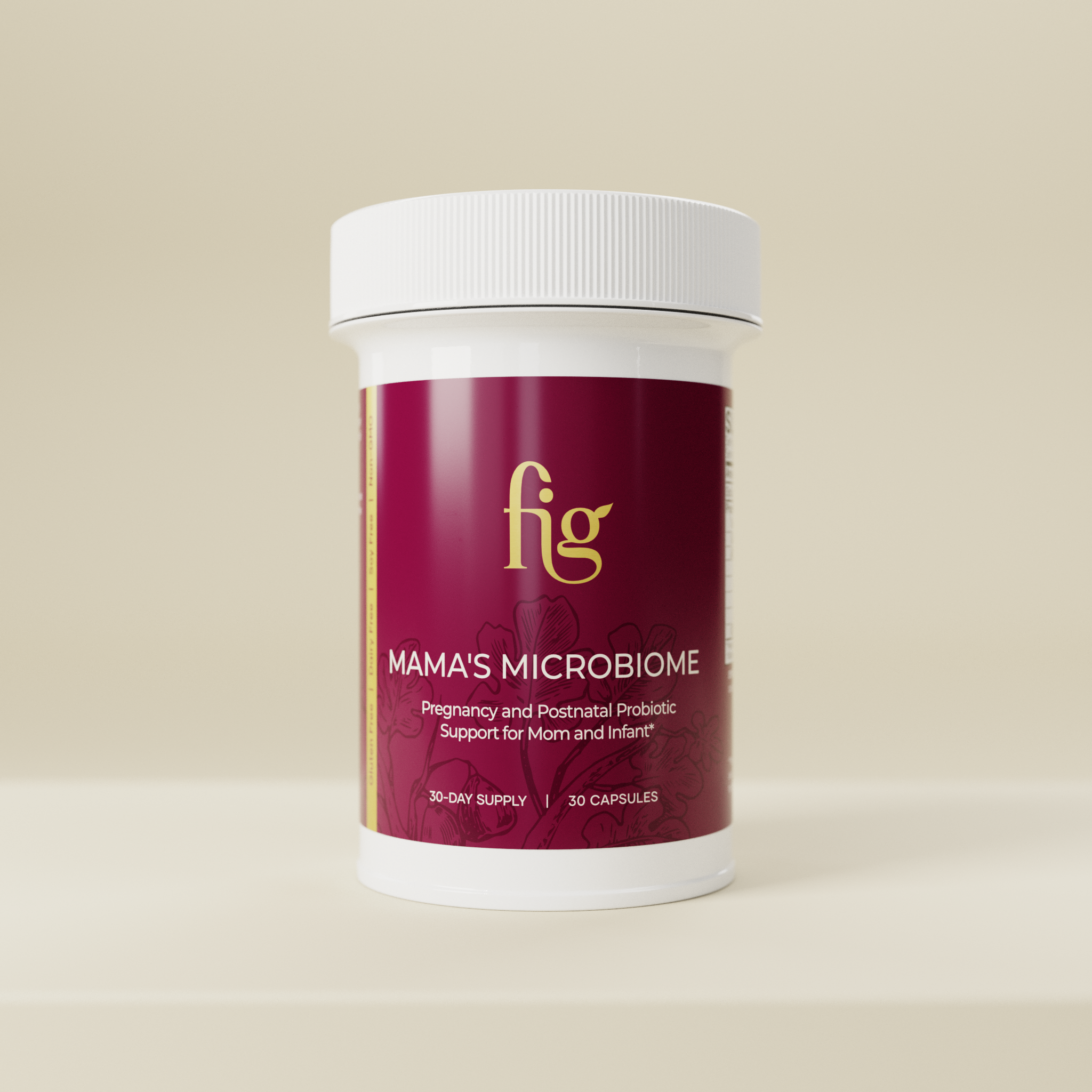
The human microbiome, a complex ecosystem of trillions of microorganisms living primarily in the gut, has gained significant attention in recent years. These microorganisms play a crucial role in maintaining health, influencing everything from digestion to immune function and mental well-being. One of the most significant factors affecting the diversity and health of the microbiome is diet. Understanding the connection between dietary habits and microbiome diversity can offer valuable insights into health optimization and disease prevention.
The Role of Diet in Microbiome Diversity
Diet is a primary determinant of the composition and diversity of the gut microbiome. Different foods can promote the growth of various microbial communities, impacting overall health. There are several ways in which diet influences the microbiome:
- Fiber Intake: High-fiber foods like fruits, vegetables, and whole grains provide essential nutrients for beneficial gut bacteria. These bacteria ferment fiber, producing short-chain fatty acids (SCFAs) that support gut health.
- Protein Sources: The type of protein consumed can affect the microbiome. Plant-based proteins often promote a more diverse microbiome compared to animal proteins, which may increase the abundance of less beneficial bacteria.
- Fat Consumption: Diets high in saturated fats can negatively impact microbiome diversity, whereas omega-3 fatty acids from fish and flaxseeds may enhance it.
- Probiotics and Fermented Foods: Consuming foods rich in live cultures, such as yogurt, kefir, and kimchi, can introduce beneficial bacteria to the gut, enhancing diversity.
Impact of Microbiome Diversity on Health
A diverse microbiome is generally associated with better health outcomes. Here’s how microbiome diversity can impact various aspects of health:
- Digestive Health: A varied microbiome can improve digestion and nutrient absorption, reducing the risk of gastrointestinal disorders.
- Immune Function: Microbial diversity strengthens the immune system by training it to recognize and respond to pathogens effectively.
- Mental Health: The gut-brain axis links the microbiome to mental well-being, with a diverse microbiome potentially reducing the risk of anxiety and depression.
- Metabolic Health: A balanced microbiome can help regulate metabolism, reducing the risk of obesity and related conditions like type 2 diabetes.
Dietary Patterns for a Diverse Microbiome
Adopting specific dietary patterns can promote microbiome diversity. Consider the following approaches:
- Mediterranean Diet: Rich in fruits, vegetables, whole grains, and healthy fats, this diet supports a diverse microbial community.
- Plant-Based Diet: Emphasizing plant foods can lead to a more diverse microbiome due to increased fiber intake.
- Fermented Foods: Including foods like sauerkraut, kombucha, and miso can enhance microbiome diversity through probiotics.
Challenges and Considerations
While dietary changes can positively impact the microbiome, several challenges exist:
- Individual Variability: Each person’s microbiome is unique, so responses to dietary changes can vary significantly.
- Long-Term Commitment: Sustained dietary changes are necessary to maintain microbiome diversity.
- Access to Resources: Not everyone has access to a wide variety of foods, which can limit dietary diversity.
In conclusion, the connection between diet and microbiome diversity is profound and multifaceted. By understanding and optimizing dietary habits, individuals can enhance their microbiome, promoting better health and well-being. Continued research in this area promises to unlock further insights, offering new pathways for health interventions and personalized nutrition strategies.
