
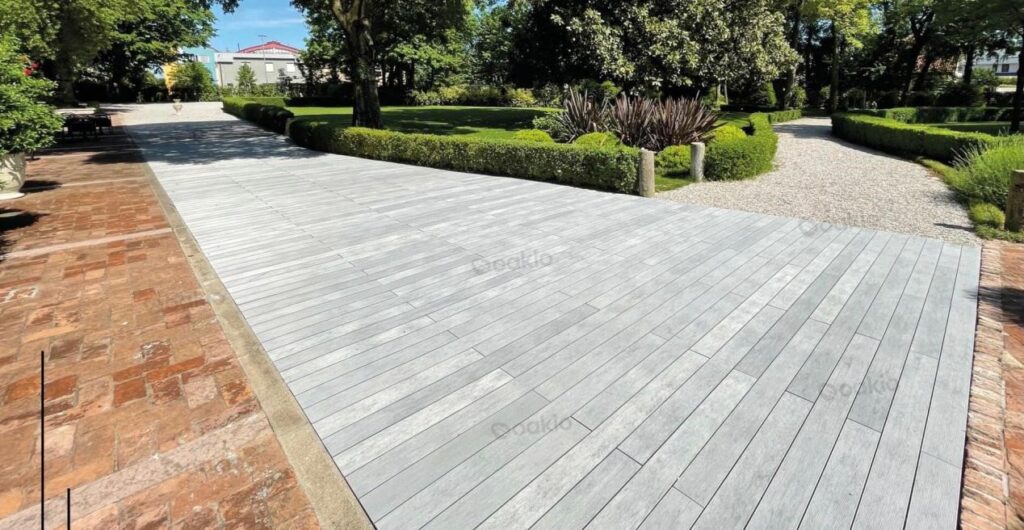
Plastic composite materials, often referred to as wood-plastic composites (WPC), have become a cornerstone in modern construction and design. By blending natural fibers with polymer matrices, these engineered products offer a balance of strength, durability, and aesthetic flexibility that traditional materials struggle to match. Their growing popularity stems from a combination of environmental considerations, low maintenance requirements, and the ability to perform well in demanding applications. This article explores the primary uses of plastic composite materials, examines the factors that influence their longevity, and provides guidance for selecting the right product for specific projects.
Key Applications of Plastic Composite Materials
Plastic composites are versatile and can be found in a wide range of sectors. The following bullet points highlight the most common uses:
- Exterior decking and patios: WPC decking boards mimic the look of natural wood while resisting rot, insect damage, and UV degradation.
- Railings and fences: The material’s inherent strength makes it suitable for load-bearing rail systems that require both safety and visual appeal.
- Outdoor furniture: Chairs, tables, and loungers benefit from the composite’s weather resistance and comfort under varying temperatures.
- Landscape edging and garden structures: Durable edging retains its shape over time, reducing the need for frequent replacement.
- Building cladding and façade panels: Composite panels provide a lightweight, low-maintenance alternative to traditional siding.
- Playground equipment: The non-splintering surface enhances safety for children while withstanding heavy use.
For a deeper dive into specific decking solutions, Read more about this topic.
Factors Influencing Longevity
Material Composition
The ratio of wood fibers to polymer resin directly impacts performance. Higher wood content can improve the tactile feel and reduce cost, but may also increase susceptibility to moisture absorption. Conversely, a greater proportion of polymer enhances water resistance and dimensional stability.
Environmental Exposure
UV radiation, temperature fluctuations, and moisture cycles are the primary agents of degradation. Modern composites often incorporate UV stabilizers and antioxidants to mitigate these effects, extending service life by several years.
Installation Practices
Proper spacing, adequate fastening, and allowing for drainage are critical. Over-tightening fasteners can crush the material, while insufficient spacing can trap water, leading to swelling and premature wear.
Maintenance Regimen
Although marketed as low-maintenance, periodic cleaning to remove debris and occasional resealing (if recommended by the manufacturer) can preserve color and structural integrity.
To understand best practices for installation and upkeep, Learn more in this detailed guide.
Comparative Advantages Over Traditional Materials
- Rot and decay resistance: Unlike solid wood, composites do not contain the natural sugars that attract fungi.
- Consistent dimensions: Manufacturing tolerances ensure uniform thickness and width, simplifying design calculations.
- Environmental impact: Many composites incorporate recycled plastics and reclaimed wood fibers, reducing landfill waste.
- Safety: The non-splintering surface reduces injury risk compared with raw timber.
Choosing the Right Plastic Composite for Your Project
When evaluating options, consider the following criteria:
- Load requirements: Verify the material’s flexural strength and modulus of elasticity to ensure it can support anticipated weights.
- Exposure level: For high-UV environments, select a product with enhanced UV inhibitors.
- Aesthetic preferences: Color stability, texture, and finish options vary among manufacturers.
- Budget constraints: Balance upfront cost against long-term savings from reduced maintenance.
Additional technical specifications and performance data can be found by Explore further insights here.
Future Trends in Plastic Composite Technology
Research continues to improve the sustainability and performance of WPCs. Emerging trends include:
- Bio-based polymers: Replacing petroleum-derived resins with plant-based alternatives reduces carbon footprints.
- Enhanced fire retardancy: New additives improve safety without compromising structural properties.
- Smart composites: Integration of sensors for moisture detection and structural health monitoring.
Staying informed about these developments helps designers and builders make choices that align with both functional needs and environmental goals.
Conclusion
Plastic composite materials offer a compelling blend of durability, aesthetics, and environmental responsibility. Their adaptability across diverse applications, from decking to façade panels, makes them a valuable option for modern construction. By understanding the key factors that affect longevity and selecting products based on performance criteria, stakeholders can achieve long-lasting results while minimizing maintenance overhead. As technology advances, the next generation of composites promises even greater sustainability and functionality, reinforcing their role as a mainstay in the building industry.
