
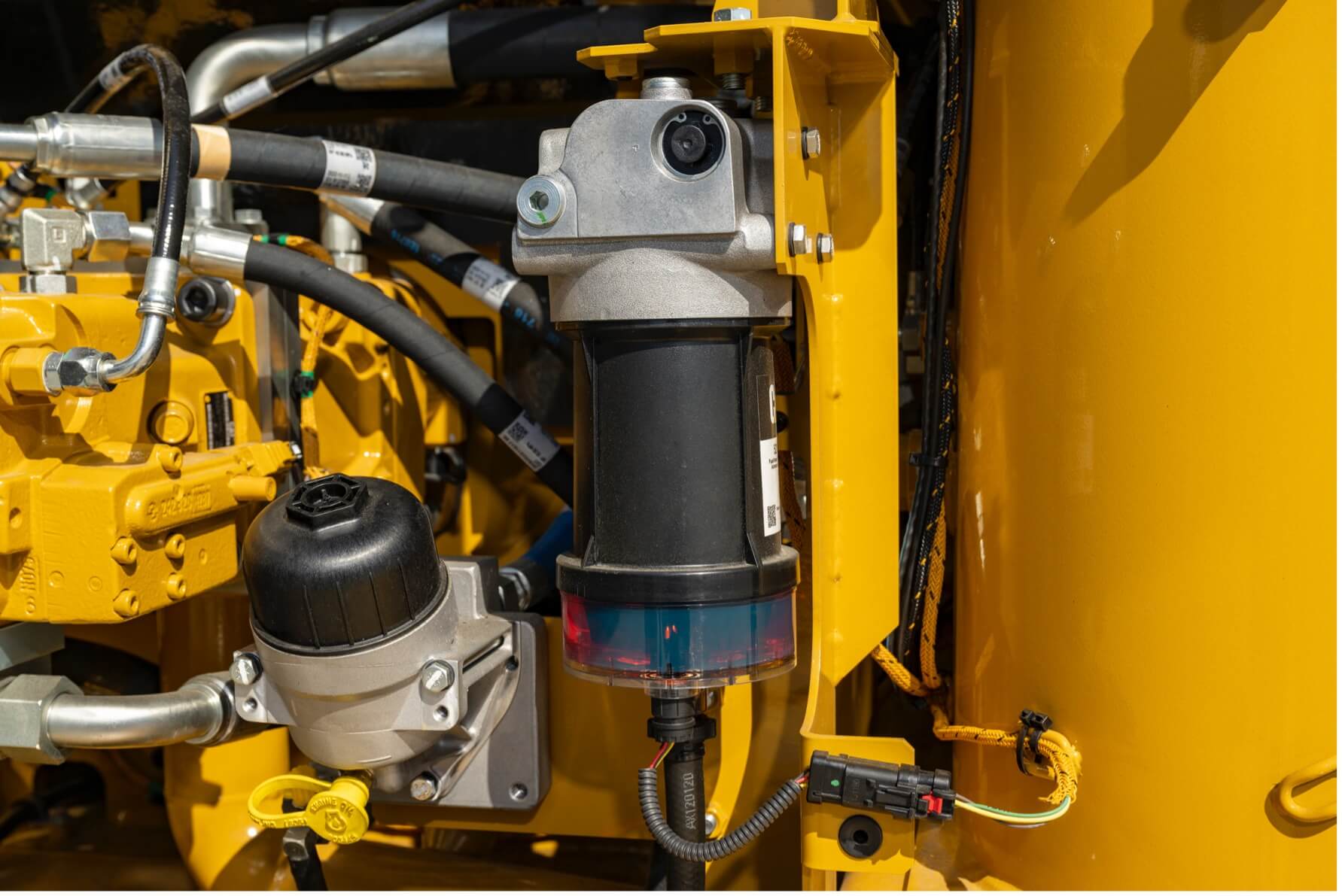
Hydraulic systems are critical components in many industries, especially in lifting applications where precision and power are paramount. However, even the most reliable systems can encounter issues over time. Understanding how to troubleshoot common hydraulic lift problems can save time and prevent costly downtime. This article examines several typical issues associated with hydraulic equipment and offers practical solutions to address them.
Understanding Basic Hydraulic System Components
Before delving into troubleshooting, it’s essential to have a basic understanding of the main components involved in a hydraulic system:
- Pump: Moves hydraulic fluid through the system, converting mechanical energy into hydraulic energy.
- Valves: Control the flow and pressure of the hydraulic fluid.
- Cylinders: Convert hydraulic energy back into mechanical energy.
- Reservoir: Stores the hydraulic fluid.
- Hoses and Fittings: Carry the hydraulic fluid between components.
Identifying Common Hydraulic Lift Issues
Hydraulic systems can face numerous issues, but some are more prevalent than others. The following are typical problems seen in lift hydraulics:
1. Fluid Leaks
Leaks are one of the most common problems in hydraulic systems. They can occur due to worn seals, damaged hoses, or improperly fitted components. Symptoms of a fluid leak include:
- Visible puddles of hydraulic fluid underneath the machinery.
- Decreased system performance or efficiency.
- Unusual noises from the pump or other components.
To address leaks, inspect all seals, hydraulic lift components, and fittings, ensuring they are in good condition and properly tightened.
2. Overheating
Overheating can reduce the lifespan of the hydraulic system and its components. Common causes include:
- Blocked cooling systems or inadequate cooling capacity.
- Excessive ambient temperatures.
- Continuous operation without adequate breaks.
Ensure that cooling fans and systems are operating correctly and consider reducing the load or operational times if overheating persists.
3. Slow Operation
A slow or sluggish hydraulic system can result from several factors, including:
- Low hydraulic fluid levels or poor fluid quality.
- Clogged filters or blocked lines.
- Worn pump or hydraulic lift cylinder.
Regularly check fluid levels, replace filters, and ensure that all lines are free from obstructions. If the problem persists, inspect the pump and cylinder for wear and tear.
Preventive Maintenance for Hydraulic Systems
Regular maintenance is crucial in preventing many common hydraulic issues. Consider implementing the following practices:
- Regularly inspect and replace hydraulic fluid to ensure optimal quality and performance.
- Conduct routine checks on hoses, seals, and fittings to prevent leaks and ensure tight connections.
- Clean filters and strainers to maintain unobstructed fluid flow.
- Monitor system temperature and address overheating promptly.
By following these preventive measures, the longevity and efficiency of the hydraulic equipment can be significantly enhanced.
Conclusion
Troubleshooting hydraulic lift issues requires a thorough understanding of the system’s components and their functions. By identifying and addressing common problems such as leaks, overheating, and slow operation, the efficiency of hydraulic systems can be maintained. Regular maintenance and timely interventions are vital in ensuring the reliability and longevity of hydraulic systems in lifting applications.
