
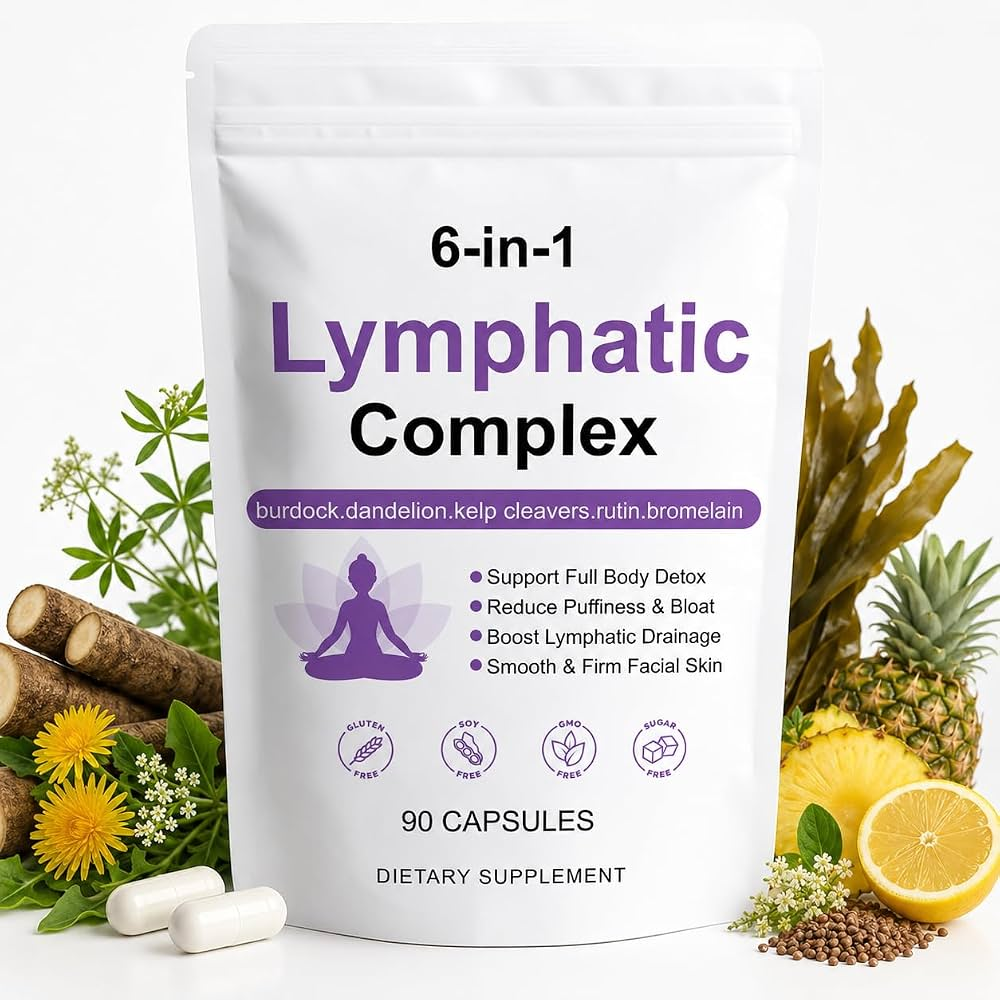
The lymphatic system plays an important role in maintaining fluid balance, supporting immune function, and transporting certain nutrients throughout the body. Alongside regular physical activity, adequate hydration, and a balanced diet, natural lymphatic support supplements are sometimes used by people looking to complement their general wellness routines.
These supplements may contain vitamins, minerals, plant extracts, and other compounds associated with normal immune and vascular function. However, their effects vary depending on the ingredients, individual health needs, and quality of the available evidence. Understanding how the lymphatic system works and what to look for in a supplement can help you make informed decisions about your health.
Understanding the Role of the Lymphatic System
The lymphatic system is a network of vessels, lymph nodes, and organs that helps maintain fluid balance and supports the body’s immune defenses. Unlike the circulatory system, which relies on the heart to pump blood, the lymphatic system depends on muscle contractions, breathing, and movements of surrounding tissues to help transport lymph.
Lymph is a fluid containing water, proteins, immune cells, and other substances collected from body tissues. It travels through lymphatic vessels and passes through lymph nodes, where immune cells help identify and respond to potentially harmful organisms.
Key Functions of the Lymphatic System
The lymphatic system contributes to several essential bodily processes:
- Fluid balance: Returns excess fluid from body tissues to the bloodstream.
- Immune support: Helps transport immune cells and supports the body’s response to infections.
- Fat absorption: Carries certain dietary fats and fat-soluble vitamins from the digestive system.
- Waste transport: Moves cellular materials and excess substances through normal physiological pathways.
When lymphatic drainage is impaired, fluid can accumulate in tissues and cause swelling. Persistent swelling should be assessed by a healthcare professional rather than treated solely with supplements.
Why Consider Natural Lymphatic Support Supplements?
Natural lymphatic support supplements are marketed to support fluid balance, immune health, and general wellness. Their formulations may include nutrients that help the body maintain normal physiological functions.
However, it is important to distinguish general nutritional support from treatments for lymphatic disorders. There is limited evidence that oral supplements can directly improve lymph flow in otherwise healthy people, and no supplement should be assumed to remove toxins or treat lymphedema.
A well-balanced diet remains the primary source of essential nutrients for most people. Supplements may be useful when dietary intake is inadequate or when a healthcare professional identifies a specific nutritional need.
Essential Nutrients Commonly Found in Lymphatic Support Formulas
Some lymphatic support supplements include vitamins and minerals that contribute to normal immune function and other bodily processes.
Vitamin C
Vitamin C is an antioxidant that helps protect cells from oxidative stress. It also supports collagen formation, which is important for the normal structure and function of blood vessels and other connective tissues.
Foods such as citrus fruits, kiwi, strawberries, bell peppers, and broccoli are useful sources of vitamin C.
Magnesium
Magnesium contributes to normal muscle and nerve function and supports numerous enzymatic processes. Although it is essential for general health, evidence that magnesium supplements directly improve lymphatic drainage is limited.
Good dietary sources include nuts, seeds, legumes, whole grains, and leafy green vegetables.
Zinc
Zinc supports normal immune function, wound healing, and enzyme activity. Maintaining adequate zinc intake is important for the body’s natural defenses.
Excessive zinc supplementation can cause adverse effects and interfere with copper absorption, so high doses should be avoided unless medically recommended.
Flavonoids
Flavonoids are plant compounds found in foods such as berries, citrus fruits, grapes, and vegetables. Some, including quercetin and rutin, have been studied for their antioxidant and vascular effects.
Although research into these compounds is ongoing, evidence that flavonoid supplements directly improve lymphatic function remains insufficient.
Herbal Ingredients Used in Lymphatic Support Supplements
Certain botanical ingredients appear in products marketed for circulation, fluid balance, or lymphatic wellness. Their safety and effectiveness depend on the specific ingredient and formulation.
Horse chestnut: Horse chestnut seed extract has been studied for certain symptoms of chronic venous insufficiency. Evidence from those studies should not be interpreted as proof that it improves lymphatic drainage. Raw horse chestnut seeds and other unprocessed parts of the plant can be toxic.
Elderberry: Elderberry contains anthocyanins and other plant compounds. It is commonly used in products marketed for immune support, but strong evidence that it improves lymphatic flow is lacking.
Grape seed extract: This extract contains proanthocyanidins, which have antioxidant properties. Research has explored potential vascular effects, although its benefits for lymphatic health have not been established.
Red root: Red root appears in some traditional herbal preparations marketed for lymphatic support. Reliable clinical evidence demonstrating its effectiveness and safety for improving lymphatic drainage is limited.
Before using herbal supplements, check for possible interactions with medications and seek professional advice if you have an existing medical condition.
How to Choose a Quality Lymphatic Support Supplement
When considering a product, focus on ingredient transparency, safety, and suitability for your needs.
- Transparent labeling: Choose products that list the amount of each ingredient rather than relying exclusively on proprietary blends.
- Independent testing: Look for credible third-party testing or quality certifications where available.
- Appropriate dosages: More of an ingredient does not necessarily mean better results.
- Ingredient safety: Check for potential allergies, medication interactions, and warnings related to specific health conditions.
- Reputable manufacturing: Consider manufacturers that provide clear contact details, quality information, and accessible product documentation.
If you are researching a lymphatic drainage supplement, review the complete ingredient list and product directions before deciding whether it fits your routine.
Daily Habits That Support Normal Lymphatic Function
Healthy lifestyle habits are important for supporting the body’s normal fluid balance and overall well-being.
Stay Physically Active
Walking, cycling, swimming, and other forms of regular movement help muscles contract and support the movement of lymph through the vessels. If you spend long periods sitting, take regular movement breaks throughout the day.
Maintain Adequate Hydration
Drink fluids regularly according to your needs, activity level, and environmental conditions. There is no single water target that suits everyone, and people with medical conditions affecting fluid intake should follow their healthcare professional’s advice.
Eat a Balanced Diet
Include fruits, vegetables, whole grains, legumes, lean proteins, and healthy fats. A varied diet helps supply the nutrients required for normal immune function and tissue maintenance.
Consider Gentle Massage When Appropriate
Some people may benefit from specialized manual lymphatic drainage, particularly when recommended for a diagnosed condition. However, it is not suitable for everyone. Seek professional guidance before attempting lymphatic massage if you have unexplained swelling or an underlying medical condition.
Safety Considerations and Common Questions
Can supplements replace medical treatment?
No. Supplements are not a substitute for medical evaluation or treatment. People with lymphedema, persistent swelling, or diagnosed lymphatic conditions should consult a qualified healthcare professional.
How long does it take to notice results?
There is no established timeline for improvements in lymphatic function from oral supplements. Claims that results will appear within a specific number of weeks are not supported by sufficient evidence. Benefits depend on the ingredient, individual nutritional status, and the condition being addressed.
Can lymphatic support supplements cause side effects?
Yes. Vitamins, minerals, and herbal extracts can cause side effects or interact with medications. Follow the product directions, avoid combining multiple products with overlapping ingredients, and consult a healthcare professional if you are pregnant, breastfeeding, taking medication, or managing a chronic condition.
Seek prompt medical assessment for new or unexplained swelling, particularly if it affects only one limb or is accompanied by pain, redness, warmth, or shortness of breath.
Conclusion
The lymphatic system is essential for maintaining fluid balance, supporting immune defenses, and transporting certain nutrients. Natural lymphatic support supplements may provide specific nutrients when dietary intake is insufficient, but current evidence does not establish that oral supplements can reliably increase lymph flow or treat lymphatic disorders.
If you are considering a natural lymphatic support supplement, evaluate its ingredients, quality standards, dosage, and potential interactions carefully. Combining informed supplement choices with regular movement, adequate hydration, and a balanced diet provides a sensible approach to overall wellness. For persistent swelling or concerns about lymphatic health, professional medical guidance is the safest next step.
