
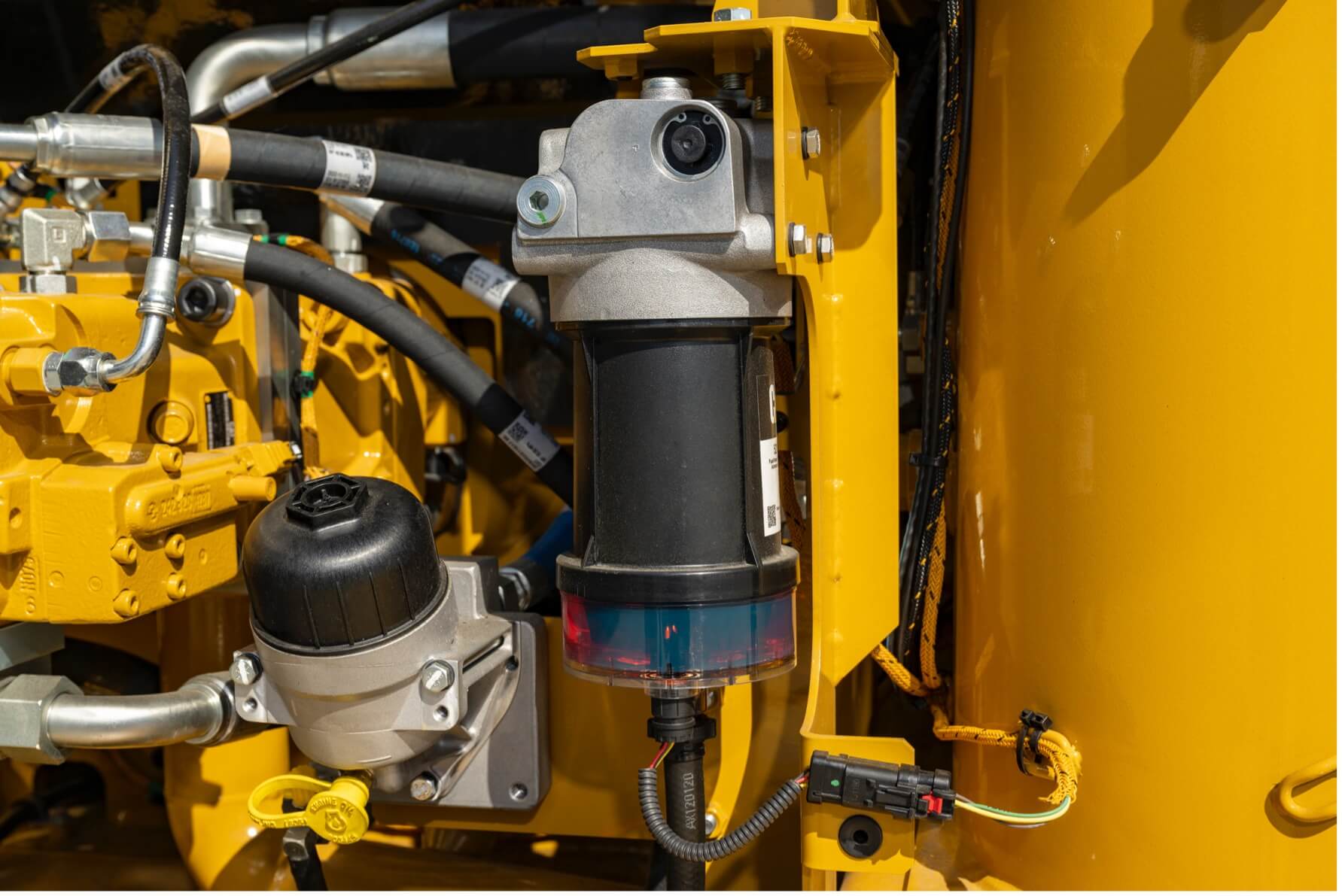
Hydraulic lift cylinders are integral components in a wide range of industrial and commercial applications. These devices are essential for operations that require heavy lifting, providing the necessary force to move, lift, and control heavy loads. However, like any mechanical component, hydraulic lift cylinders require regular maintenance to ensure optimal performance and longevity. Neglecting maintenance can lead to costly repairs, operational downtime, and even safety hazards. Understanding the importance of regular maintenance can help prolong the life of hydraulic lift cylinders and enhance their efficiency.
Understanding Hydraulic Lift Cylinders
Hydraulic lift cylinders are a type of hydraulic equipment that converts fluid power into mechanical energy. They are commonly used in various machines, including forklifts, cranes, and industrial lifts. The basic function of these cylinders is to provide a linear force and motion.
Key Components of Hydraulic Lift Cylinders
- Barrel: The main body of the cylinder that holds the pressure of the hydraulic fluid.
- Piston: Moves inside the barrel, driven by the pressure of the hydraulic fluid.
- Piston Rod: Connected to the piston, it transmits the generated force to the machine.
- Seals: Prevent fluid leakage and maintain pressure within the cylinder.
Benefits of Regular Maintenance
Regular maintenance of hydraulic lift components offers numerous benefits, ensuring that the systems operate smoothly and efficiently.
- Enhanced Performance: Well-maintained cylinders function at optimal efficiency, providing consistent power and control.
- Extended Lifespan: Routine checks and timely maintenance can significantly extend the life of the cylinders.
- Reduced Downtime: Preventive maintenance helps in identifying potential issues before they lead to system failures, minimizing operational disruptions.
- Cost Savings: Regular maintenance reduces the likelihood of major repairs and replacements, leading to cost savings over time.
- Safety Assurance: Ensures that all components operate safely, reducing the risk of accidents and injuries.
Essential Maintenance Practices
To maintain the efficiency and longevity of lift hydraulics, it’s important to follow a structured maintenance routine.
Regular Inspections
Conducting regular inspections can help identify wear and tear in the components. Inspect the seals, hoses, and fittings for any signs of leakage or damage. Ensure that the piston rod is not bent or scratched, as these can lead to inefficiencies and potential failures.
Fluid and Filter Maintenance
- Check the hydraulic fluid levels regularly. Low fluid levels can lead to overheating and reduced efficiency.
- Ensure the hydraulic fluid is clean. Contaminated fluid can damage internal components and reduce the cylinder’s lifespan.
- Replace filters according to the manufacturer’s recommendations to ensure clean fluid circulation.
Lubrication
Proper lubrication of moving parts reduces friction and wear. Use the recommended lubricants for the specific type of hydraulic lift cylinder being maintained. Regular lubrication not only enhances performance but also prevents premature wear and tear.
Conclusion
Regular maintenance of hydraulic lift cylinders is crucial for ensuring the efficiency, safety, and longevity of hydraulic lift cylinder systems. By adhering to a comprehensive maintenance schedule, potential issues can be identified and addressed before they escalate into serious problems. This not only saves on repair costs but also ensures that the equipment remains safe and reliable for daily operations. Investing time and resources into proper maintenance practices ultimately leads to enhanced operational efficiency and a longer lifespan for hydraulic lift systems.
